
SAP Extended Warehouse Management
SAP Extended Warehouse Management optimizes warehouse operations, from inventory tracking to resource management. With features designed for scalability and integration, SAP Extended Warehouse Management enables businesses to efficiently manage highvolume warehouses.
Enhance your warehouse operations with SAP EWM, empowering your facility with intelligent solutions to boost efficiency, ensure material traceability and lower costs.
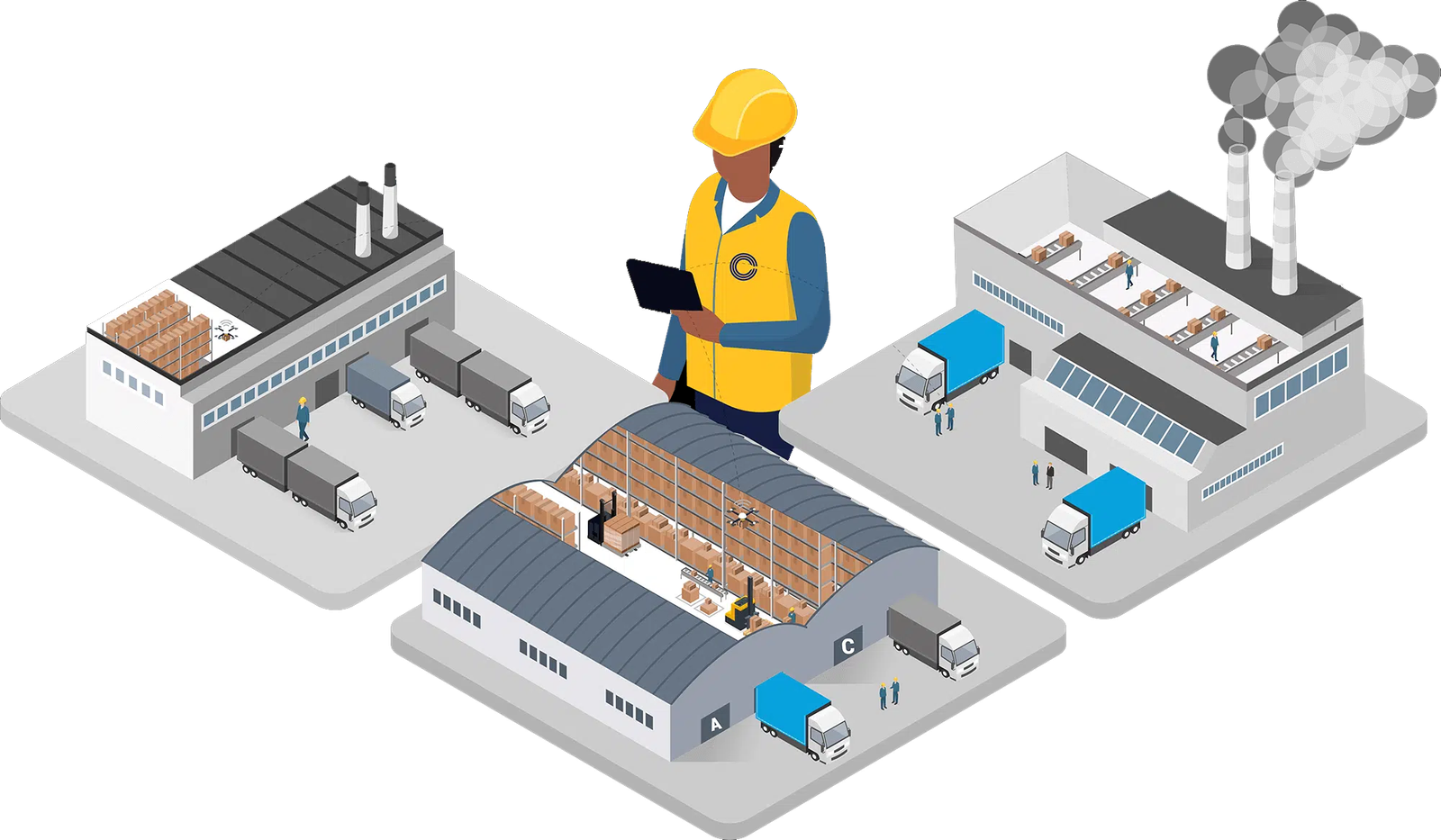
What is SAP Extended Warehouse Management?
“DOES MY ORGANIZATION NEED SAP EWM”?
FAQs
Your Guide to SAP Extended Warehouse Management
SAP EWM, next generation WMS system from SAP is built for this specific purpose.
SAP EWM is perfect solution to track and maintain inventory with precise bin locations.
Unlock the potential of real-time visibility by effortlessly tracking inventory levels, order statuses, and resource utilization with warehouse KPI’s and EWM.
With SAP EWM, embrace the seamless integration with web services and RF devices for all warehouse execution which gives you full control of your business process.
Well say goodbye to those problems with SAP EWM It will keep track of all inventory discrepancies and will give you real-time and historic insights of inventory.
SAP EWM optimizes resource allocation, allowing you to accomplish more with fewer resources.
Well, all those got covered with SAP EWM yard management and dock appointment scheduling integration.
IF YOU ANSWERED 'YES' TO ANY OF THESE QUESTIONS, SAP EWM holds the key to your organization's success. Contact our team of experts today to unleash the true potential of your business.
SAP EWM, next generation WMS system from SAP is built for this specific purpose.
SAP EWM is perfect solution to track and maintain inventory with precise bin locations.
Unlock the potential of real-time visibility by effortlessly tracking inventory levels, order statuses, and resource utilization with warehouse KPI’s and EWM.
With SAP EWM, embrace the seamless integration with web services and RF devices for all warehouse execution which gives you full control of your business process.
Well say goodbye to those problems with SAP EWM It will keep track of all inventory discrepancies and will give you real-time and historic insights of inventory.
SAP EWM optimizes resource allocation, allowing you to accomplish more with fewer resources.
Well, all those got covered with SAP EWM yard management and dock appointment scheduling integration.
IF YOU ANSWERED 'YES' TO ANY OF THESE QUESTIONS, SAP EWM holds the key to your organization's success. Contact our team of experts today to unleash the true potential of your business.
SAP EWM standard offerings?
Inbound process:

Outbound process:

Inventory Management:
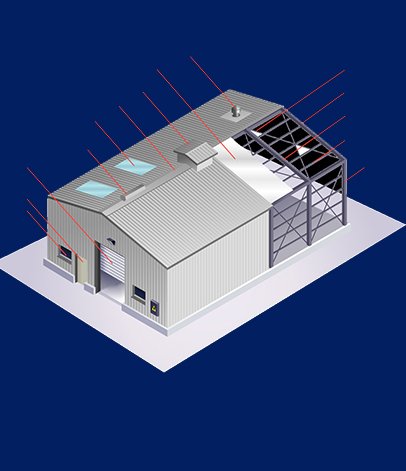
Warehouse Structure:

Warehouse Task Management:

Resource Management:
Seamless integration with S/4HANA core modules and some advance module like TM, GTS, YL, etc.
Know more about our SAP consulting services
Warehouse order creation rules

Storage control:

Physical inventory:
Replenishment:
Cross-Docking:
Wave management:
Key Features
Real-Time Inventory Management
Task Interleaving
Wave and Slot
Management
Labor Management
Advance EWM Offerings
direct dispatch including additional services like kitting and labeling
Value added services:
Yard Management:
Labor Management:
Cartonization Planning:
MFS:
Integrations and connectivity:
Reporting and Analytics:
Benefits
Reduced Costs
Improved Accuracy
Enhanced Customer Satisfaction
What Benefits customers achieved after implementing EWM?
Improved Inventory Visibility and Accuracy
Increased efficiency and productivity
Reduced Costs
Enhanced Customer Service
Better Supply Chain Visibility
Scalability and Flexibility
Flexible reporting and Analytics
Improved space utilization
Reduced process errors
Seamless integrations
SAP EWM Integration with internal and external system?
- AGV & AMR Integration with SAP EWM.
- ASRS Integration with EWM.
- MES Integration with EWM.
- Integration of SAP EWM with cross SAP modules like TM, GTS, YL.
- Integration of SAP S/4HANA with SAP EWM.
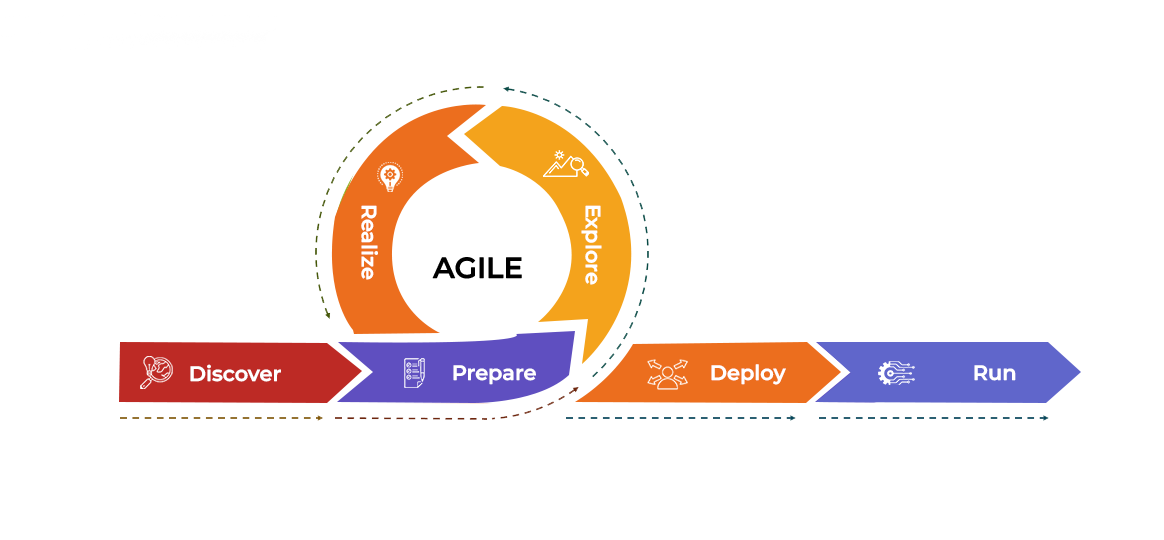
SAP Implementation methodology
Use Cases

High-volume retail warehouses requiring advanced picking and packing strategies.

Temperature-controlled inventory management in pharmaceutical distribution

Multi-location warehouse networks for global manufacturers.

Integration

Target Audience